
Romania, Italy & Bosnia and Herzegovina | Spring 2026
During the spring of 2026, young people moved from identifying problems in their communities to becoming active participants in shaping public policy. Following months of training, mentoring, strategising and mobilising, youth from Romania, Italy, and Bosnia and Herzegovina stepped into the public arena to present their ideas, engage with decision-makers, and inspire their communities.
The ASPYRE EUROPE Civic Cafés represented the culmination of a journey in which young people developed the confidence, skills, and knowledge to turn their concerns into concrete proposals for change.
Different communities, shared ambitions
Across the three countries, the issues varied, but the underlying aspirations were similar.
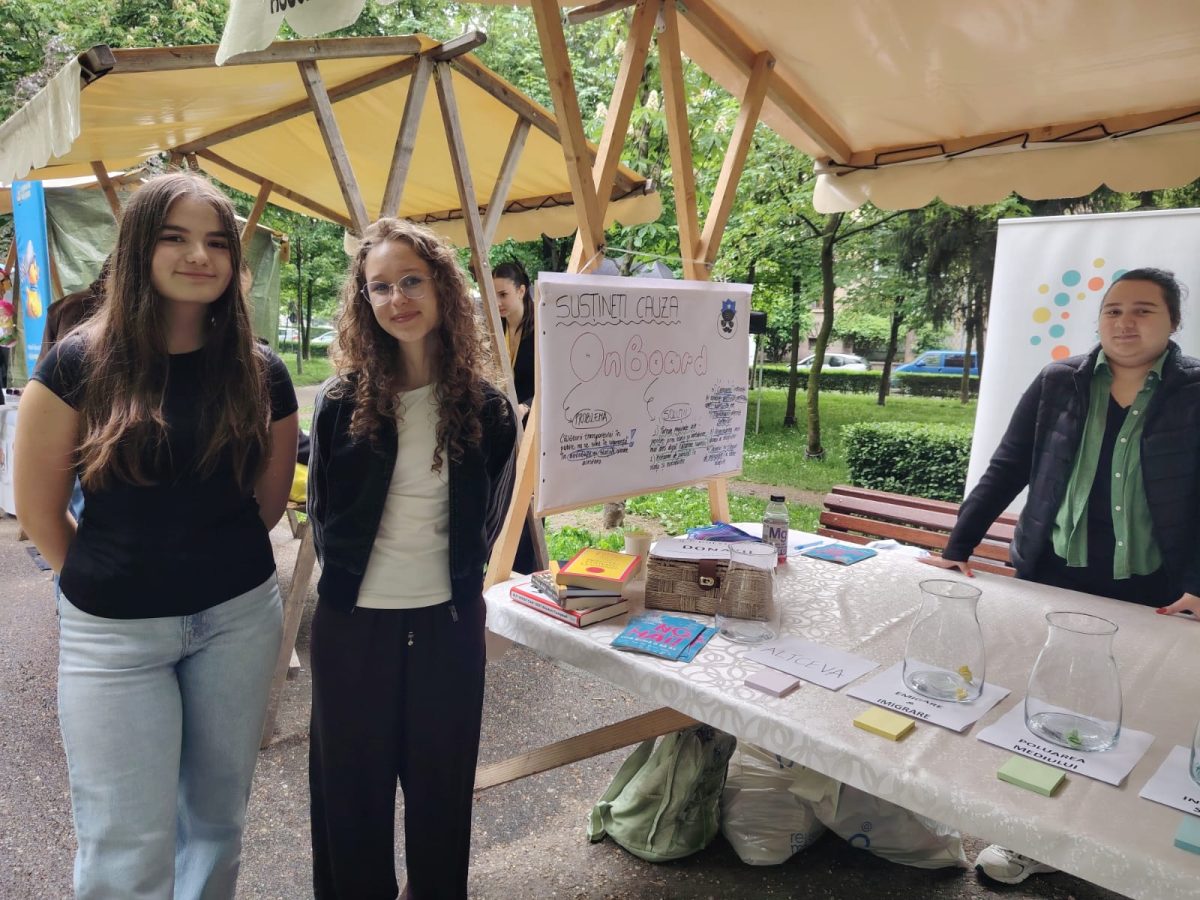
In Romania, four Youth Advocacy Groups addressed topics such as safer public transportation, improved access to school counsellors, healthier food in schools, and stronger support for emerging sports. By organising their Civic Cafés during Zilele Clujului, one of the city’s largest public festivals, the young people brought their ideas directly into the heart of the community, engaging hundreds of citizens before presenting their recommendations to representatives of the City Hall, Local Council, and School Inspectorate. Read more about the Civic Cafés in Romania here.
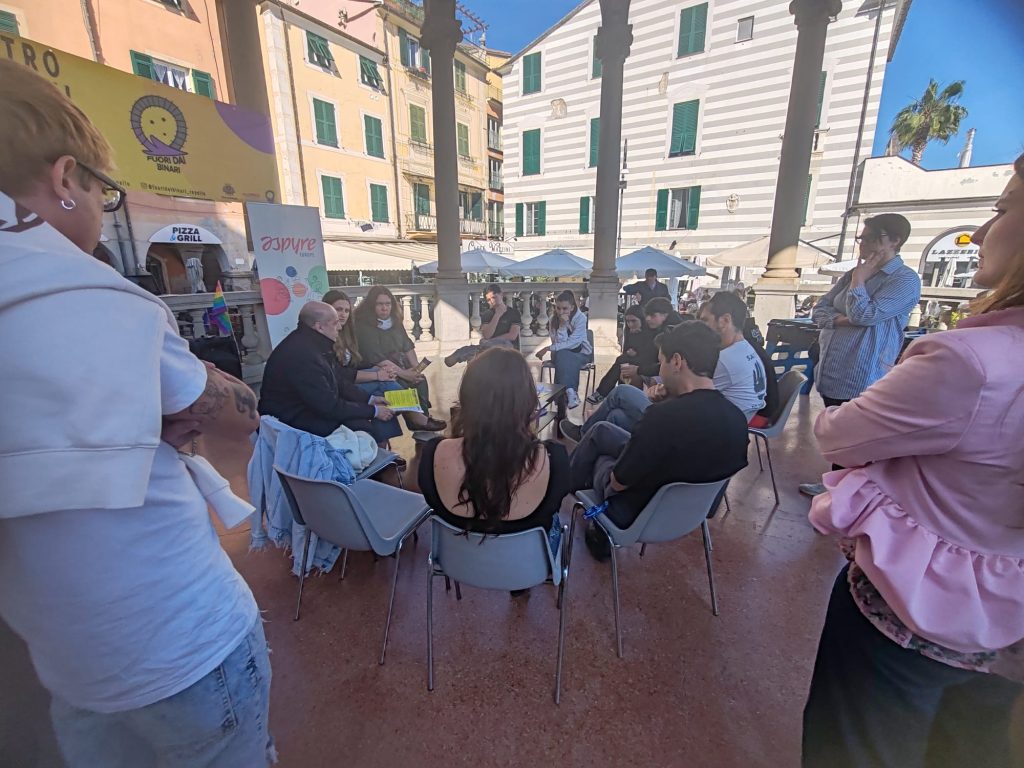
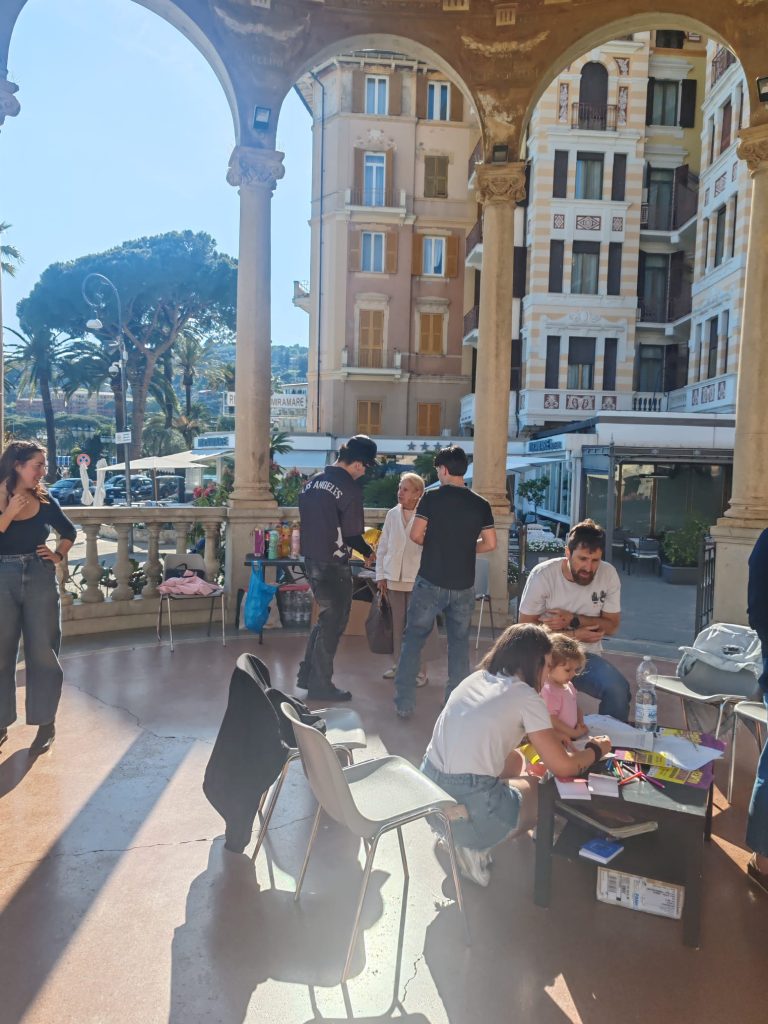
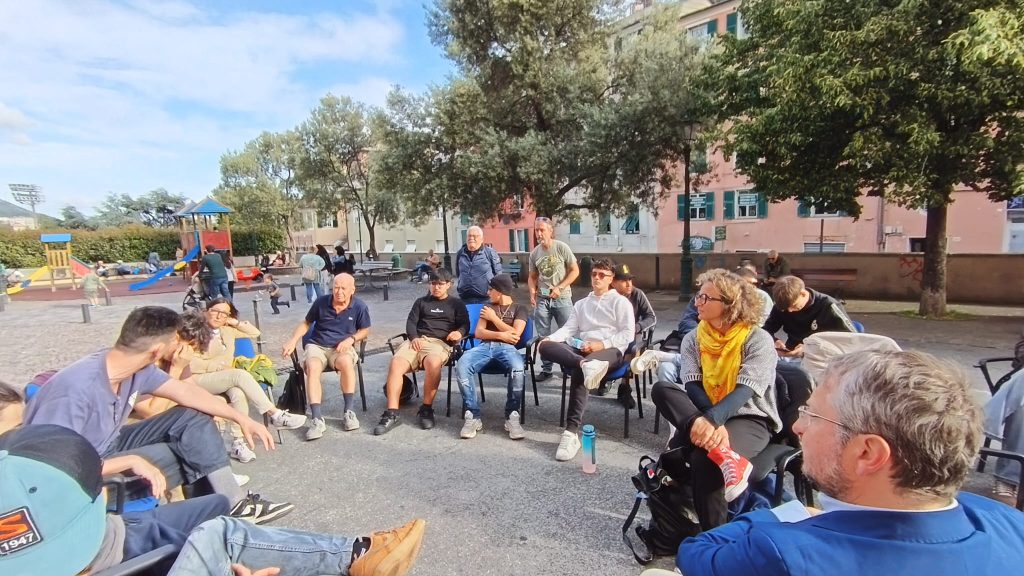
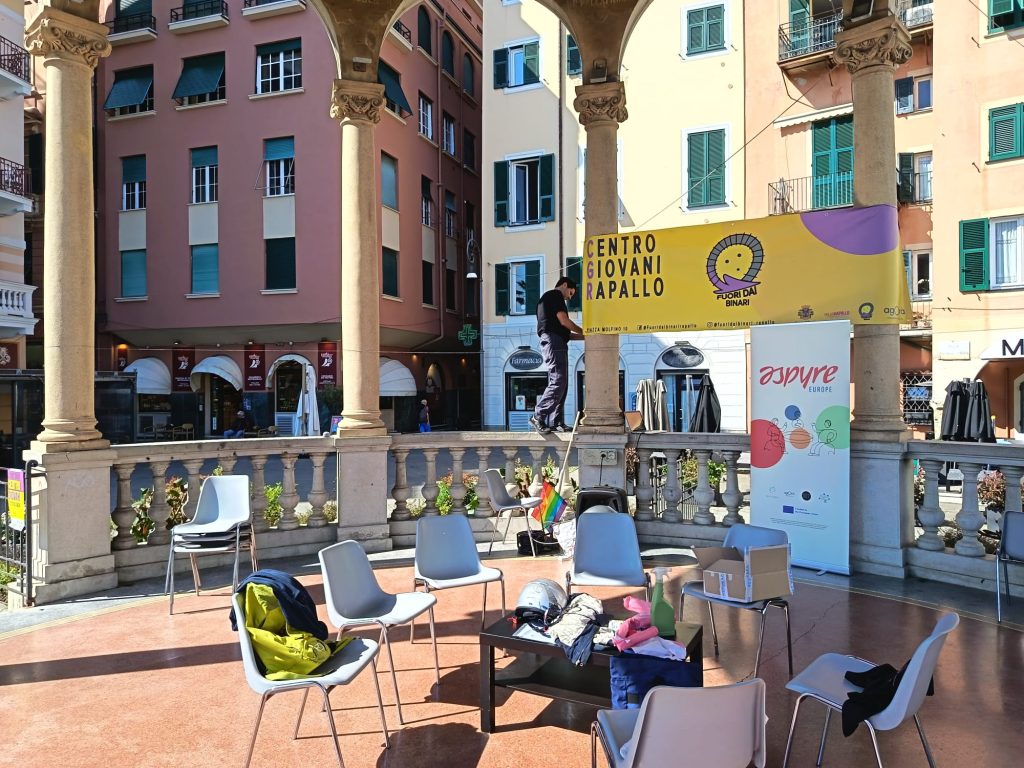
In Italy, young people in Genoa and Rapallo focused on strengthening youth participation in local governance, improving youth centres, reclaiming public spaces, and creating safer neighbourhoods. They organised meetings with municipal representatives, designed their own public events, and transformed city squares into spaces for dialogue between citizens, local politicians, and young people.
In Bosnia and Herzegovina, students presented eight advocacy initiatives addressing issues such as food waste, accessibility for people with disabilities, women’s health, recycling, youth spaces, and recognising youth excellence. The Civic Cafés in Mostar and Sarajevo demonstrated that even in complex political environments, young people are ready to engage constructively with institutions when they are given meaningful opportunities to do so.
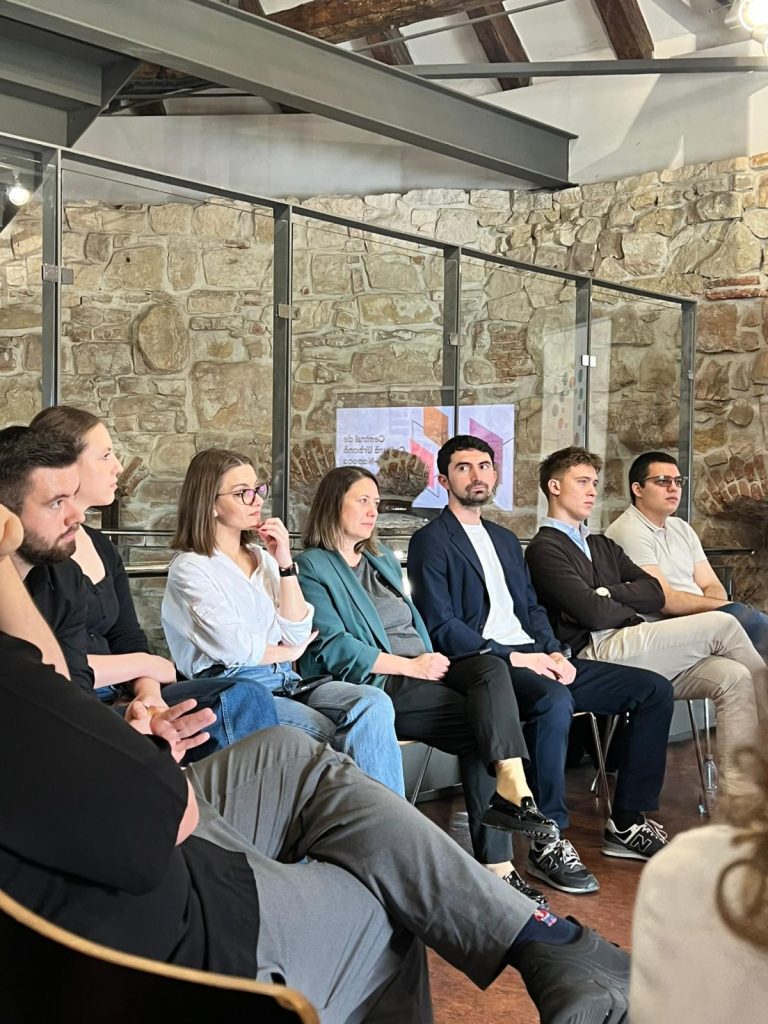
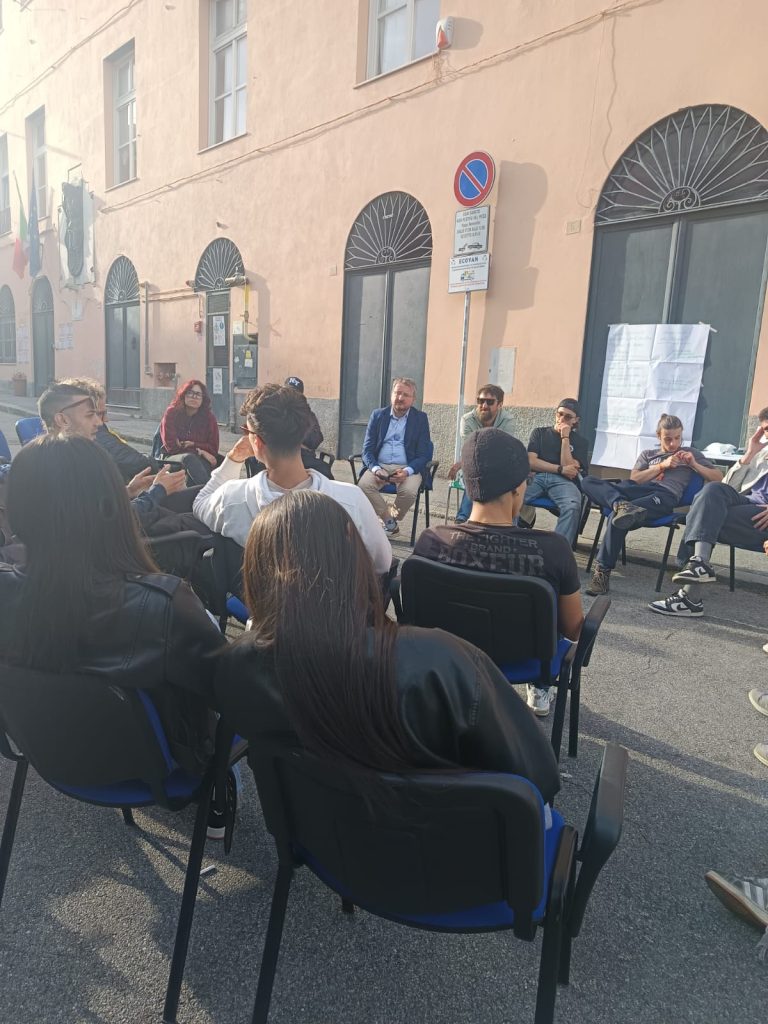
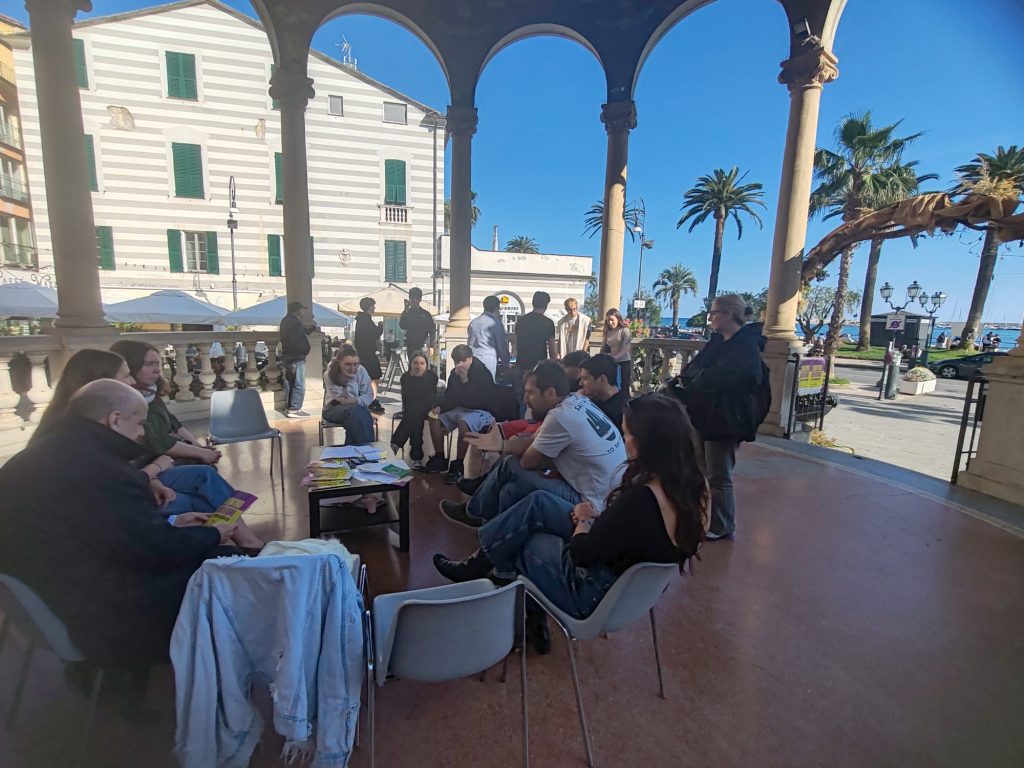
Turning ideas into action
One of the defining characteristics of the Civic Cafés was that the young people themselves led the process.
They researched local problems, developed policy recommendations, organised public events, spoke with citizens, met decision-makers, and presented their proposals with professionalism and confidence. Many participants had never spoken publicly before. By the end of the process, they were confidently discussing policy, answering questions from public officials, and advocating for change in their communities.
Across the three countries, advocacy groups demonstrated that youth participation is not simply about expressing opinions, being contrarian or a passive observer; it is about listening, building partnerships, gathering evidence, and proposing realistic solutions.
Real conversations with decision-makers
A central goal of ASPYRE EUROPE is to reduce the distance that many young people feel exists between themselves and political leaders.
The Civic Cafés created exactly these opportunities.
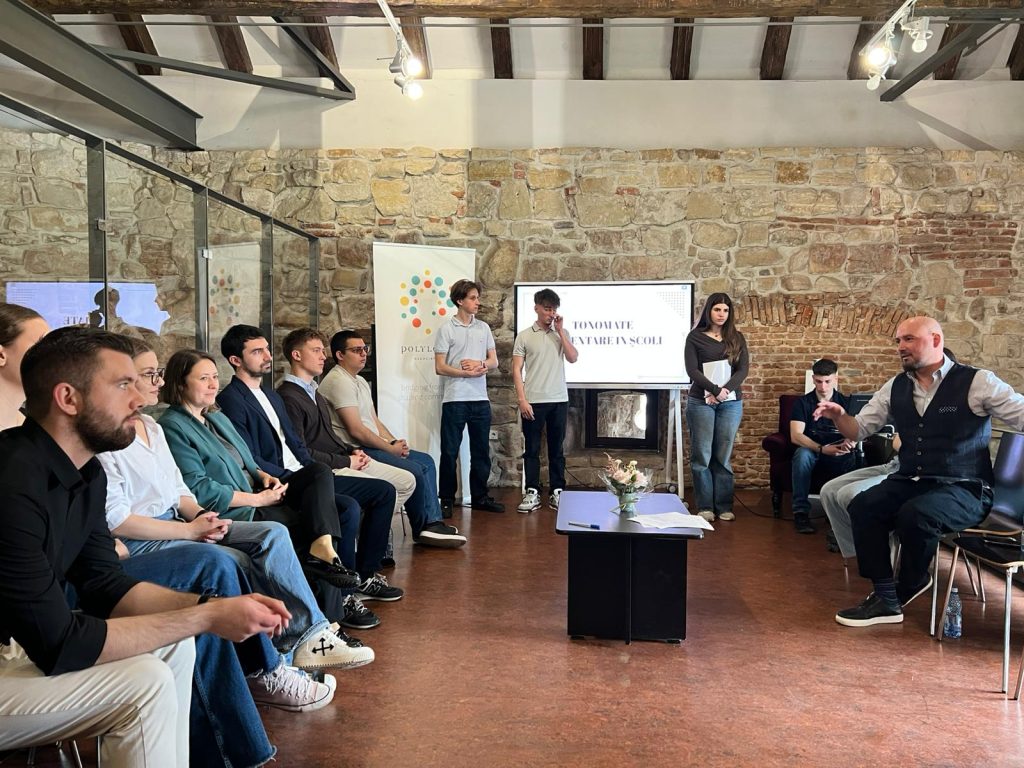
Municipal councillors, local government representatives, educators, university leaders, and public officials joined discussions with the advocacy groups, offering feedback, asking questions, and exploring possibilities for future collaboration. Several initiatives have already moved beyond the project itself.
In Bosnia and Herzegovina, student groups are continuing discussions with municipal authorities on youth spaces and food waste solutions, while one initiative promoting student excellence has already become an annual university programme. In Italy, local authorities expressed their willingness to strengthen support for youth projects, while Romanian decision-makers committed to continued dialogue with the Youth Advocacy Groups, with Polylogos facilitating future collaboration.
These are important reminders that meaningful participation does not end when an event finishes; it continues through relationships built on trust and shared commitment.
Communities listening to young people
The Civic Cafés also opened conversations beyond institutional settings. By taking place in city parks, public squares, festivals, universities, youth centres, and community spaces, the events invited parents, teachers, neighbours, tourists, and local residents to engage directly with the young advocates.
Across all three countries, the events helped challenge common stereotypes about youth disengagement and demonstrated that young people are eager to contribute when given meaningful opportunities to do so.
More than an event
The Civic Cafés were the result of months of learning, reflection, and collaboration. Participants reported greater confidence in their ability to influence decisions, a stronger understanding of democratic processes, and an increased willingness to remain civically engaged. Just as importantly, schools, municipalities, universities, youth organisations, and civil society partners strengthened their cooperation, creating foundations for continued youth participation long after the project ends.
Across Romania, Italy, and Bosnia and Herzegovina, one message emerged clearly:
Young people do not need to be convinced that they can contribute to positive change in society; they just need opportunities to prove it.
By creating spaces where young people could be heard, taken seriously, and supported, they demonstrated what democracy looks like when participation moves beyond consultation and becomes genuine collaboration.
One of the lasting impact of the projects is this: a new generation of young people who now know that their voices matter – with their own experience as evidence.
Policy Recommendations
Policy Recommendations presented by the youth during the Civic Cafés:
Event Reports