
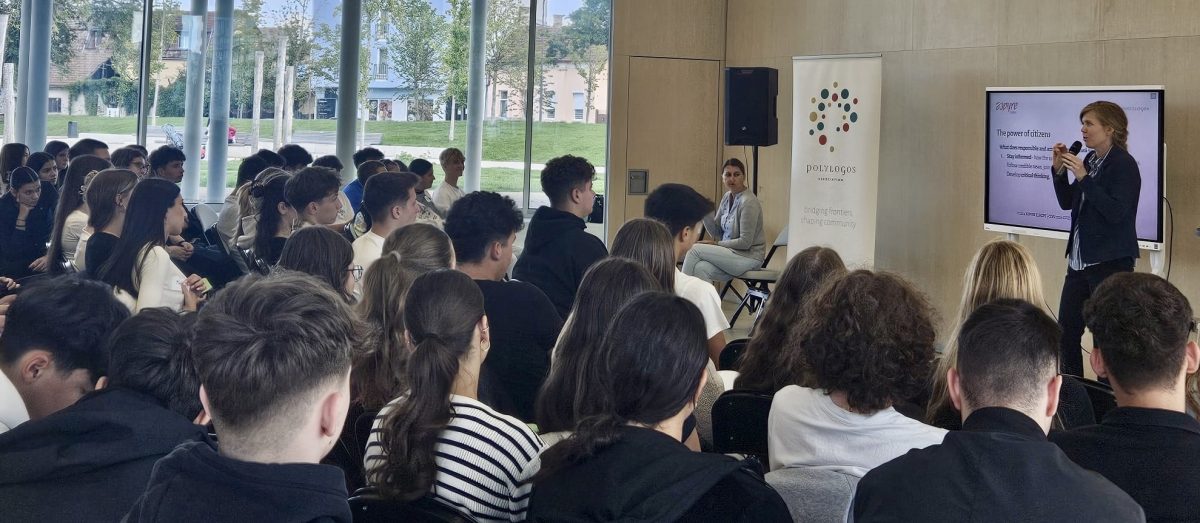
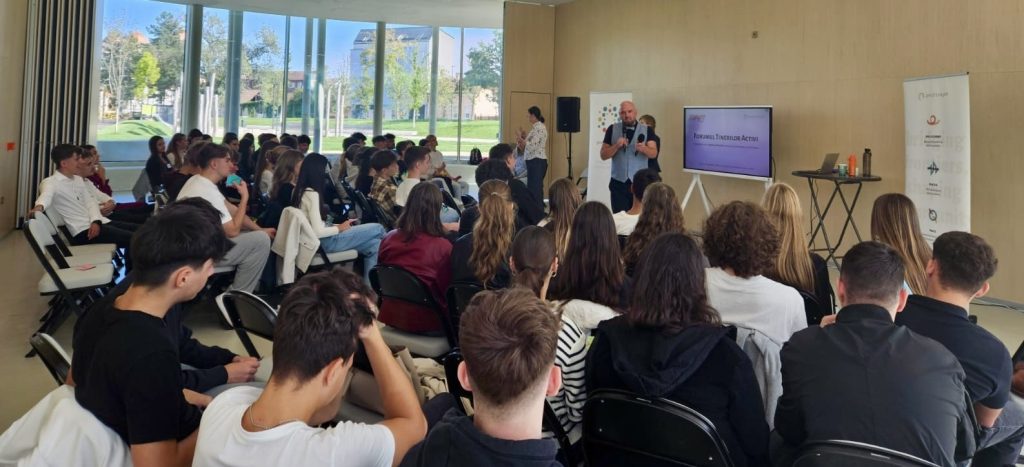
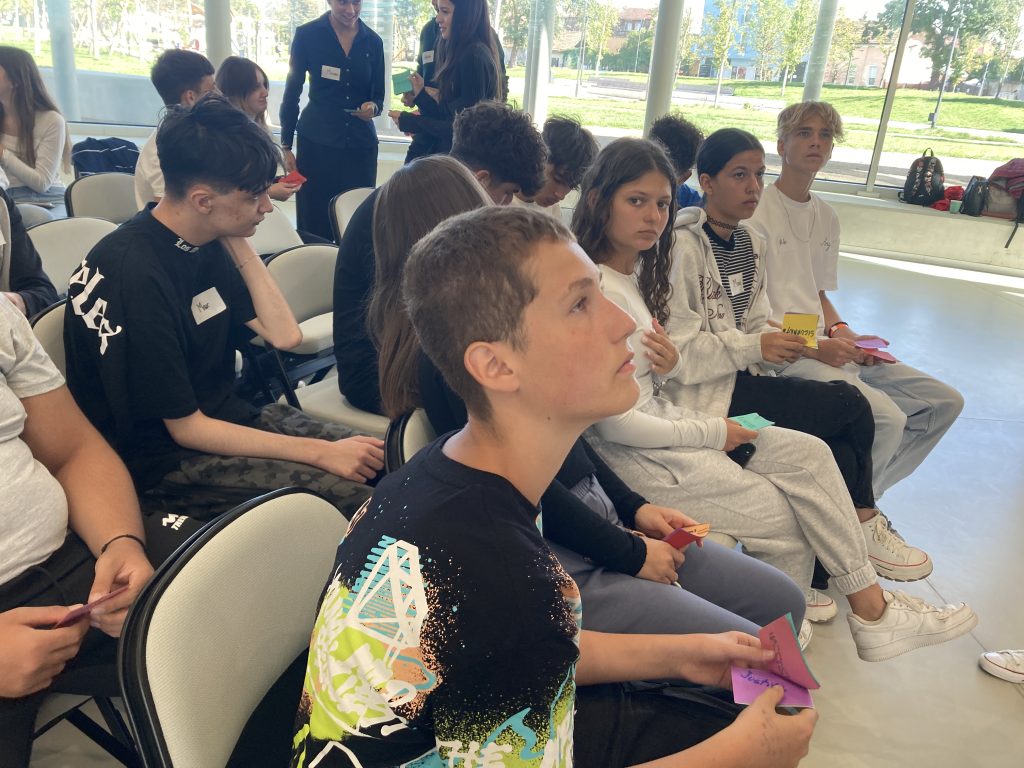
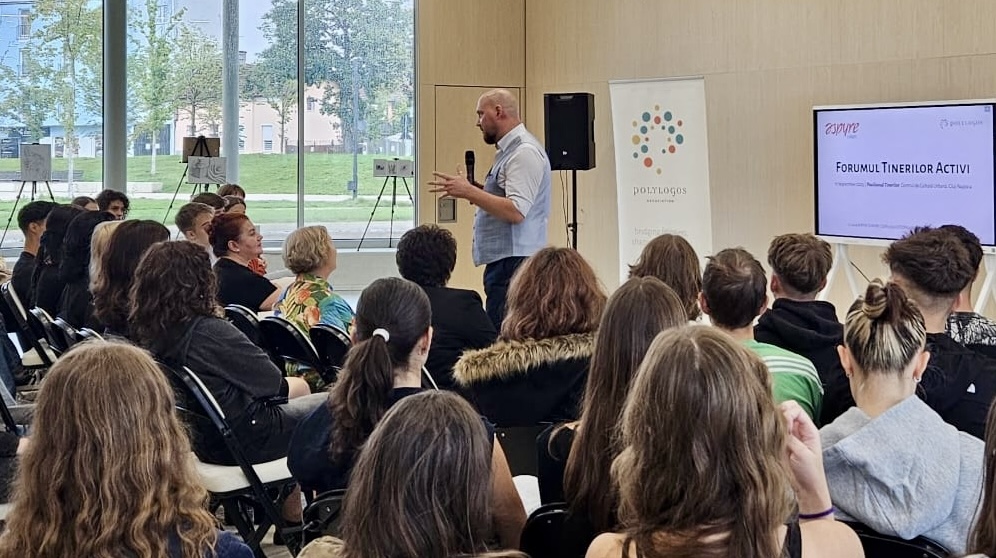
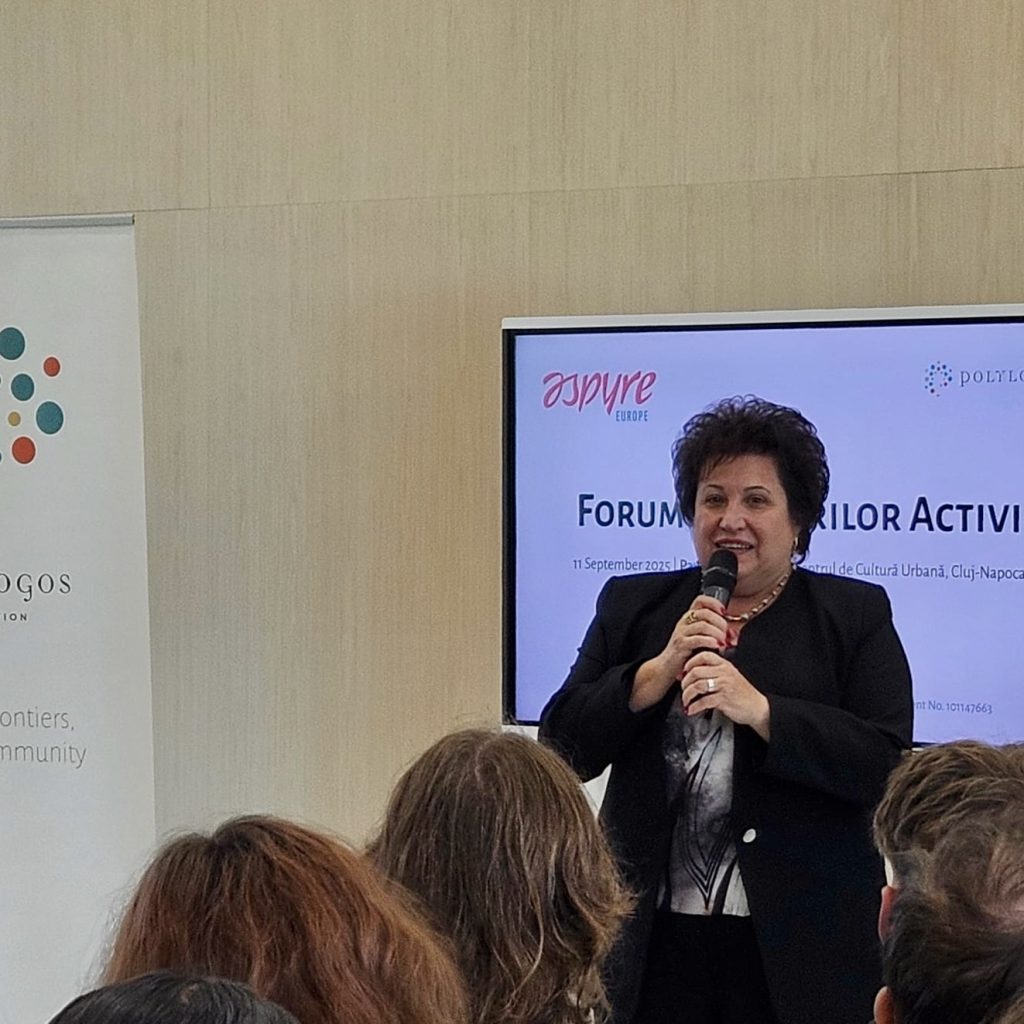
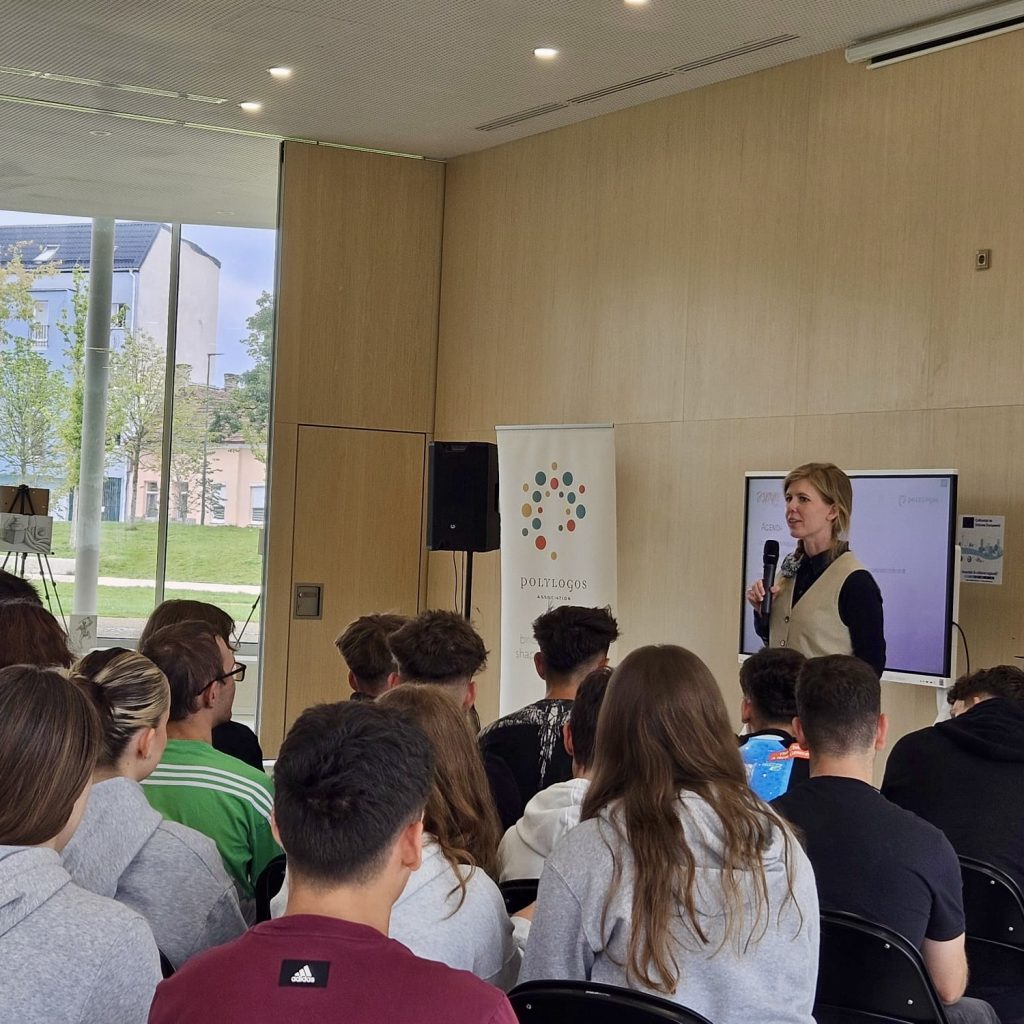
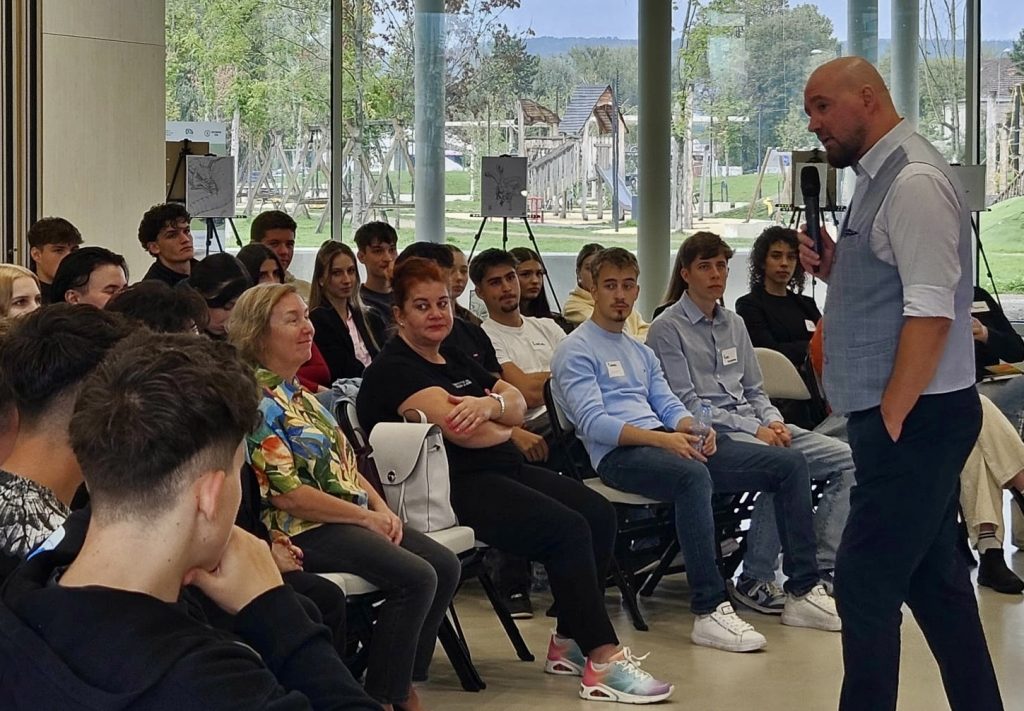
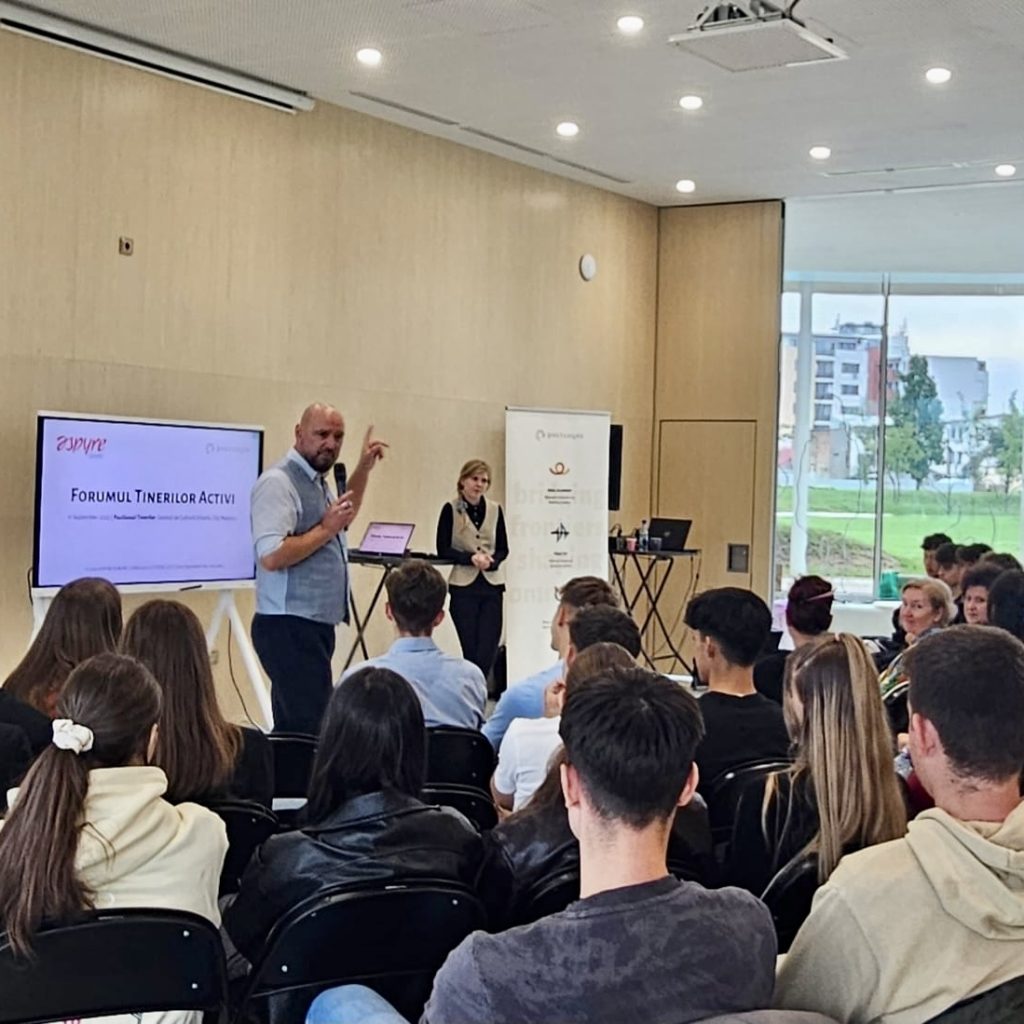
In September 2025, Polylogos brought together young people, educators, and local decision-makers for two energising days of the ASPYRE EUROPE Active Youth Forum in Romania. Hosted in Cluj-Napoca, the Forum engaged over 140 participants, including 129 young people aged 16-24, eight teachers and educators, and four representatives from the local City Council and the Cluj County School Inspectorate (ISJ Cluj).
Thanks to our close partnership with the Cluj County School Inspectorate (Inspectoratul Școlar Județean Cluj), students from six high schools across the county took part in the event. Strong local support from the Cluj City Council, City Hall, and the Urban Cultural Center helped create an open and welcoming space for dialogue, learning, and collaboration.
Many of the teachers accompanying students had previously participated in ASPYRE EUROPE Co-Creation Workshops earlier in the year. Their involvement played an important role in preparing and motivating young people to join the Forum with curiosity and confidence. As a result, participants arrived ready to engage actively, exchange ideas, and co-create solutions to issues that matter to them.
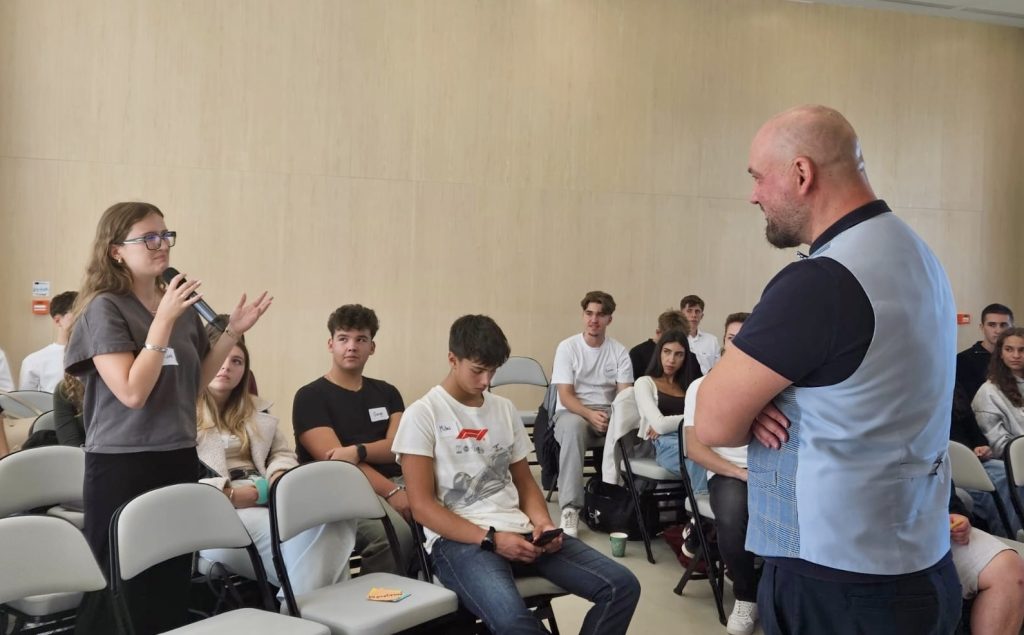
Learning, dialogue, and youth-led action
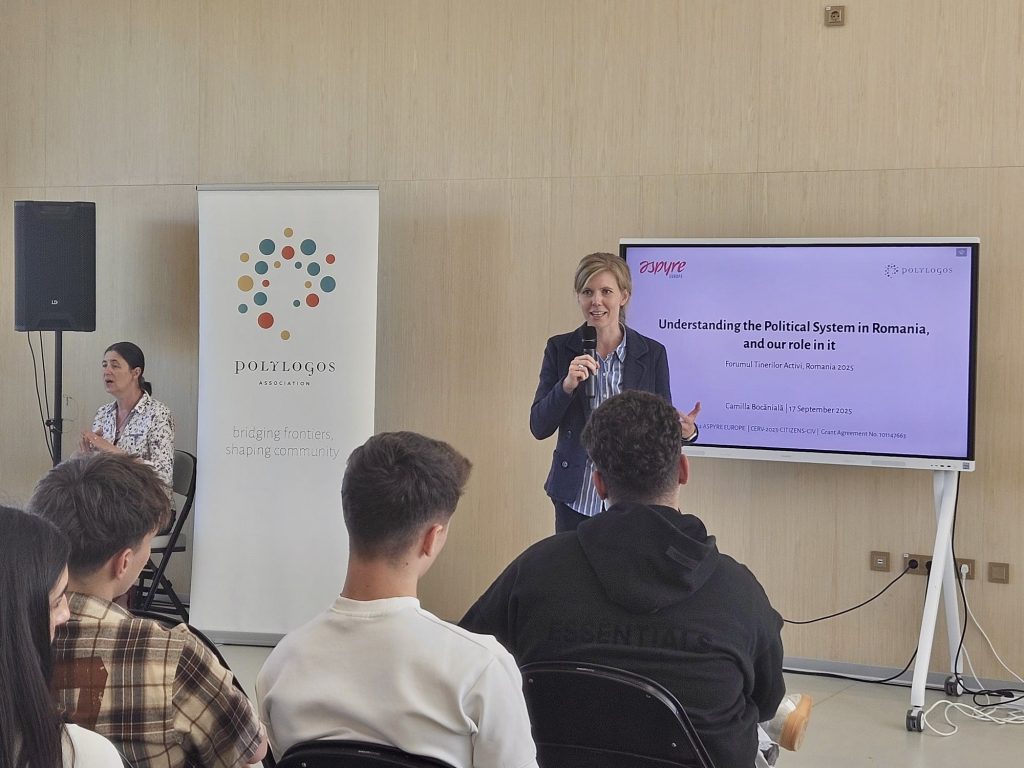
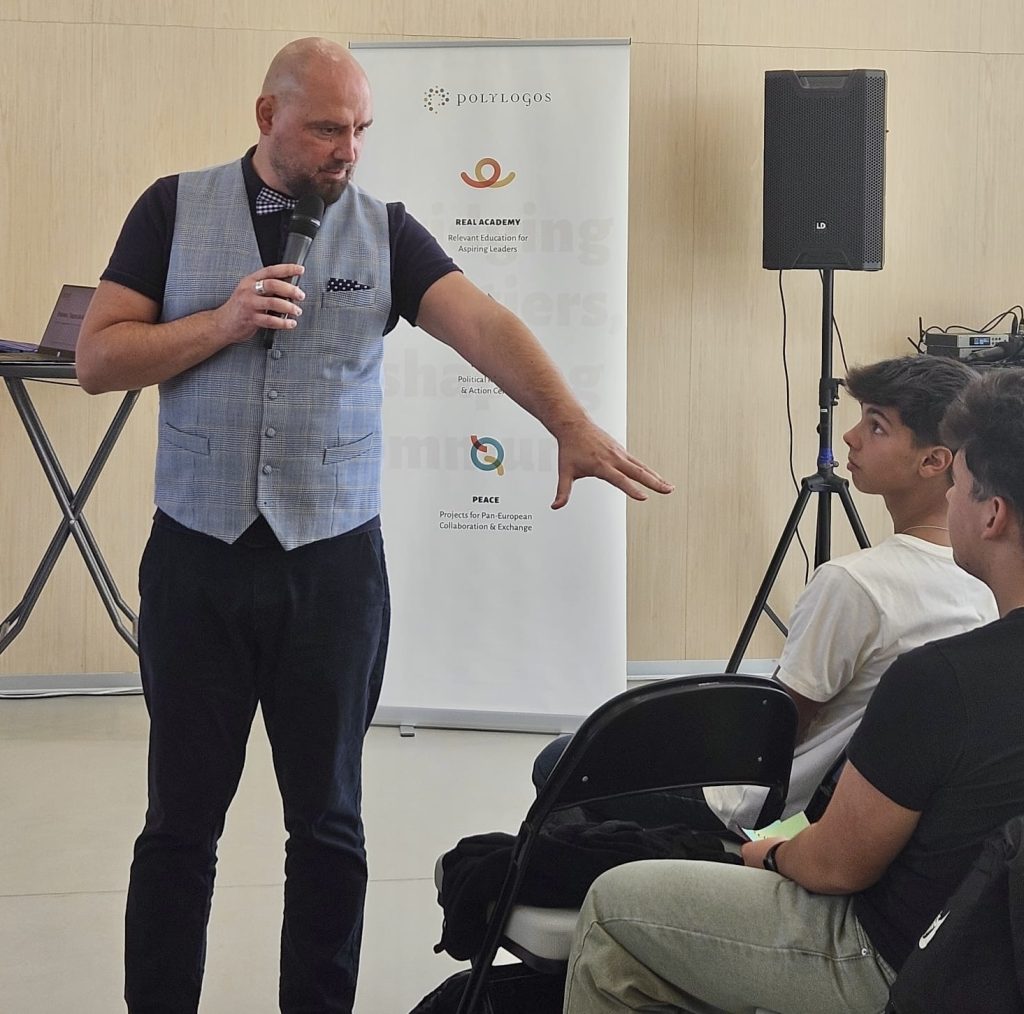
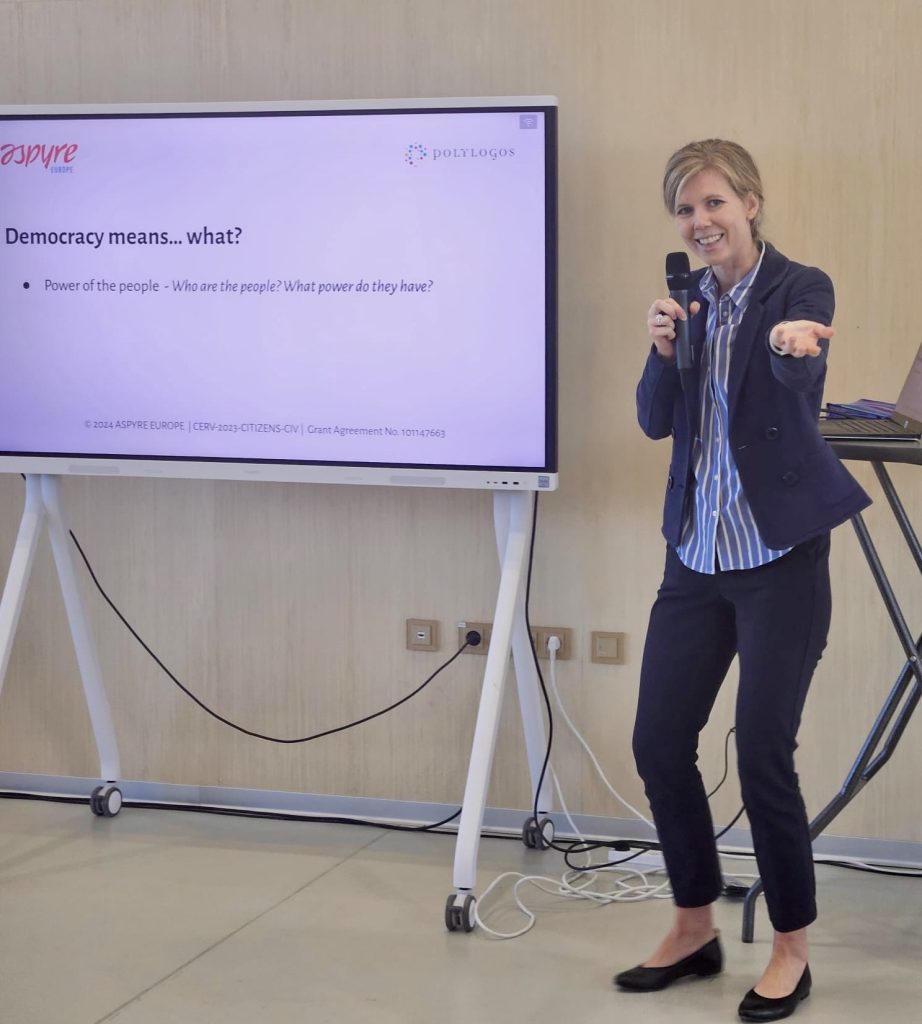
Over the two days, the Forum combined interactive learning with hands-on civic practice. Young people from diverse backgrounds, including urban and rural communities, gender-diverse participants, and youth with disabilities, explored Romania’s political system, discussed their role in democratic life, and engaged directly with local decision-makers.
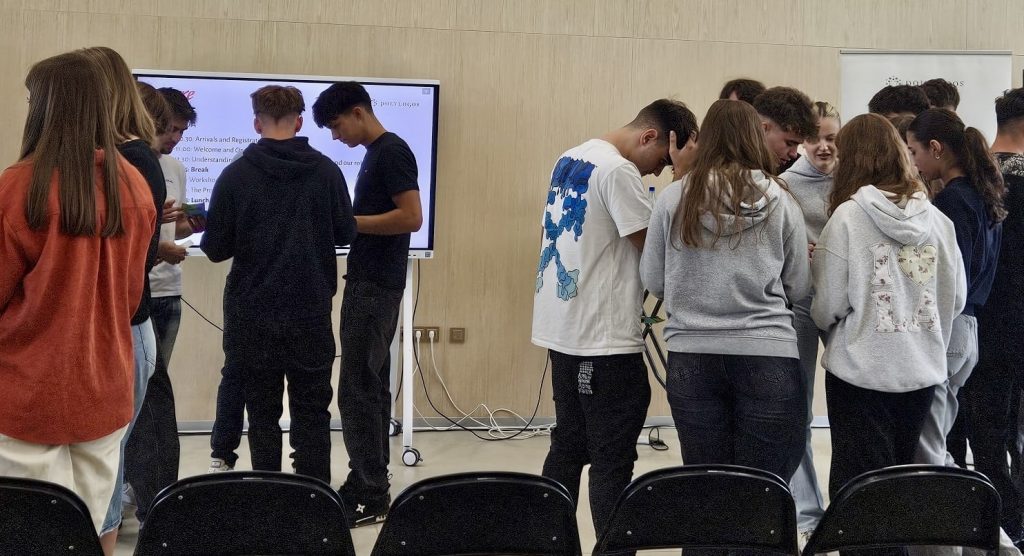
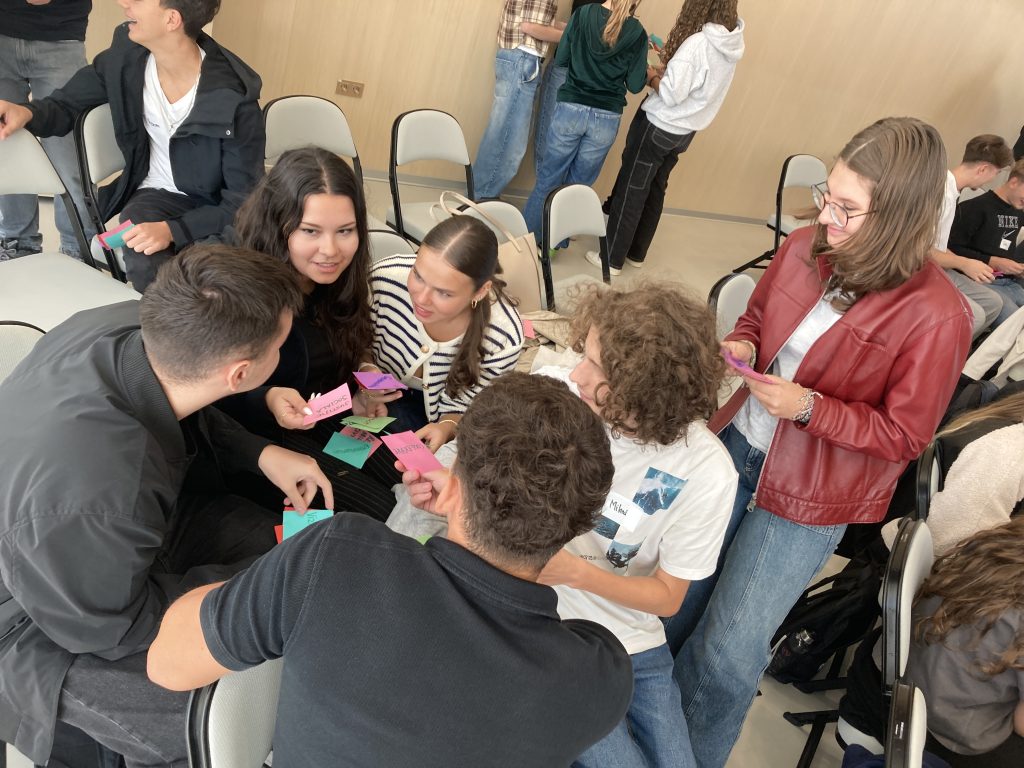
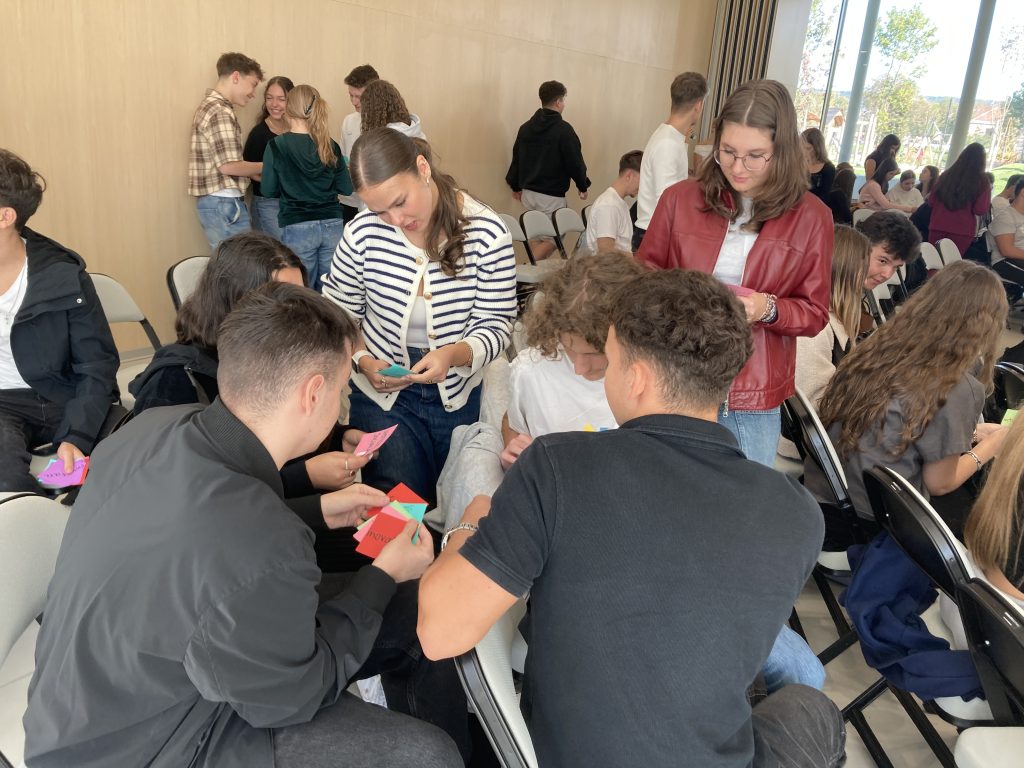
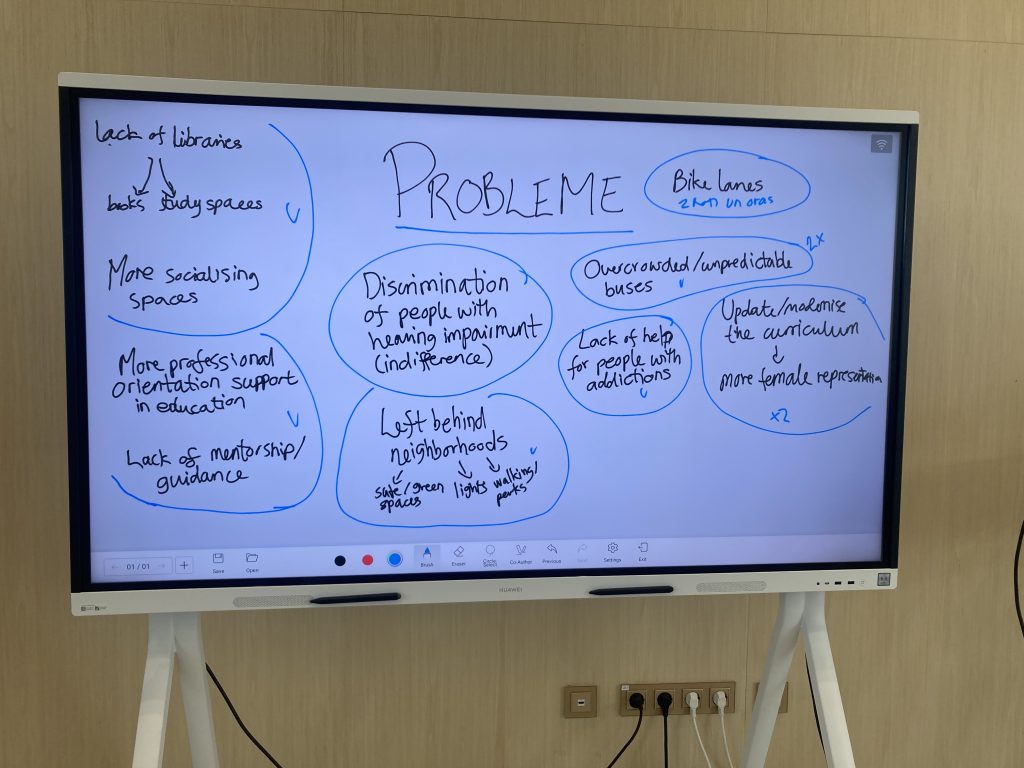
Using tools from the ASPYRE EUROPE Toolkit, participants worked together on problem mapping and analysis, identifying shared challenges in their communities and turning them into concrete advocacy priorities. This bottom-up process led to the creation of 12 Youth Advocacy Groups (YAGs), far exceeding initial expectations and demonstrating young people’s strong motivation to take action.
What changed?
Feedback collected through an anonymous post-event survey shows the Forum’s strong impact. More than 80% of participants reported learning “much” or “very much” about the political system and their civic role, while over 90% gained practical knowledge about how to get involved in civic and political life. Importantly, 80.9% of respondents said they are likely or very likely to increase their civic engagement following the Forum.
Beyond the numbers, participants spoke about feeling empowered and heard. Many reflected on realising that their voices matter and that change can start at the local level, with the right questions and collective effort. The Forum also created a safe and inclusive space where young people felt comfortable sharing personal experiences and challenging restrictive social norms, including around gender and identity. Moments of solidarity and mutual respect reinforced a shared understanding that diversity is a strength and that democracy is strongest when everyone can participate.
What comes next?
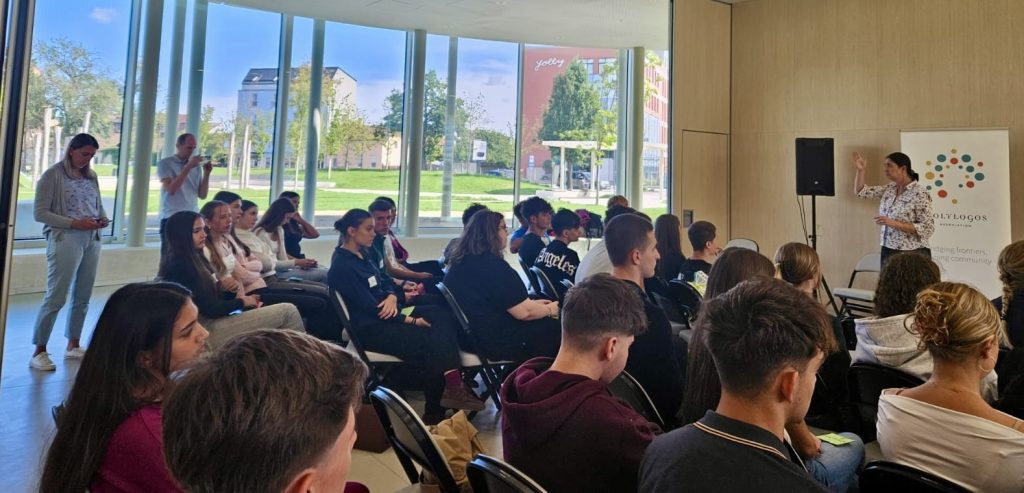
The Forum was not an endpoint, but a starting point. Participating youth committed to continuing their work in small advocacy groups and to mobilising support among peers, families, and their wider communities. This process will culminate in a series of Civic Cafés planned for spring 2026, where young people, with support from the Polylogos team, will lead local discussions and actions around the issues they care about most.
Through the ASPYRE EUROPE Active Youth Forum, Polylogos continues to support, train and mentor young people not only to understand democracy in an abstract way, but to be active participants shaping it – for today and the future.

The Active Youth Forum Romania is part of the ASPYRE EUROPE project, funded by the European Education and Culture Executive Agency (EACEA), under the CERV-2023-CITIZENS-CIV programme. ASPYRE EUROPE is coordinated by Polylogos Association (RO), with partners NIT and Youth for Peace in Bosnia and Herzegovina, and Agora Coop in Italy.