
Romania, Italy & Bosnia and Herzegovina | November 2024 – January 2025
What happens when you ask the people who work with young people every day to help design a civic education programme?
That was the idea behind the ASPYRE EUROPE Co-Creation Workshops, organised across Romania, Italy, and Bosnia and Herzegovina during the first months of the project. Rather than developing educational resources behind closed doors, the project invited more than 160 teachers, educators, youth workers, and young people to become active partners in creating the ASPYRE EUROPE Toolkit on Democracy and Youth Civic Participation.
Building the toolkit together
Although each country organised the workshops differently, they all shared the same purpose: to ensure that the toolkit is practical, engaging, and grounded in the realities of young people’s lives.
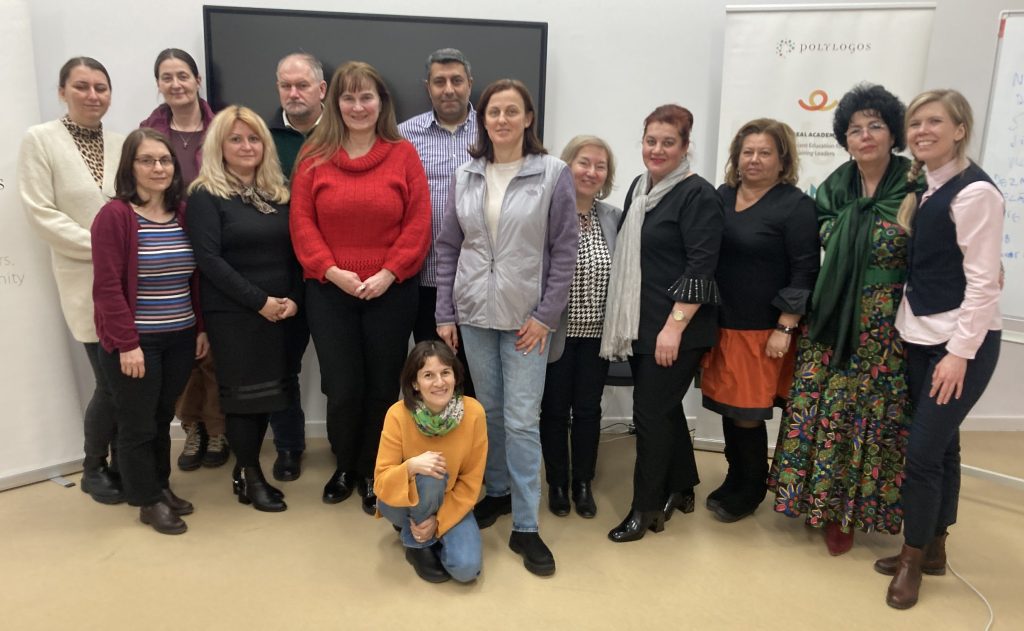
Participants explored the draft toolkit, tested activities, discussed challenges related to civic education, and shared ideas on how to better equip young people to participate meaningfully in democratic life.
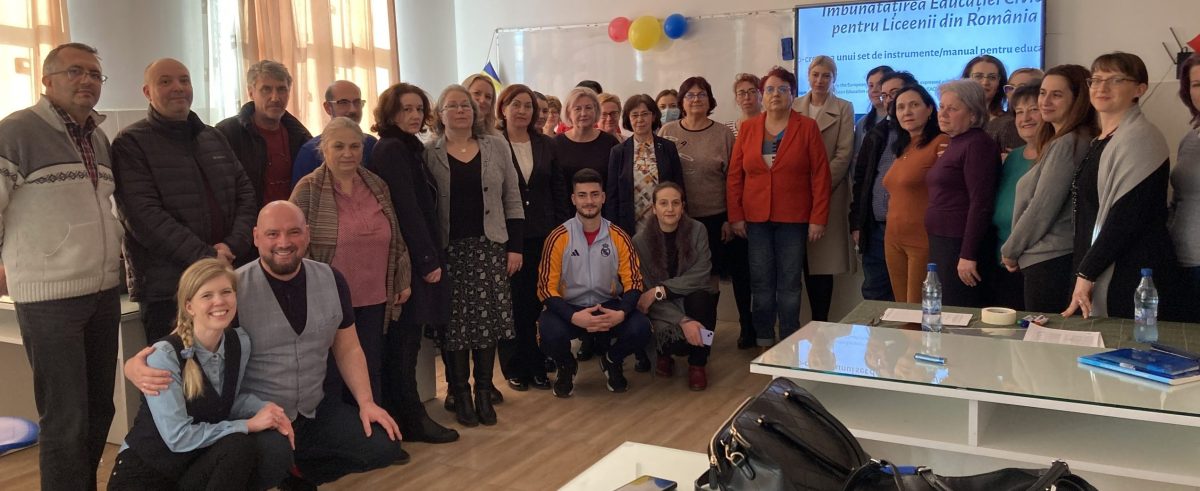
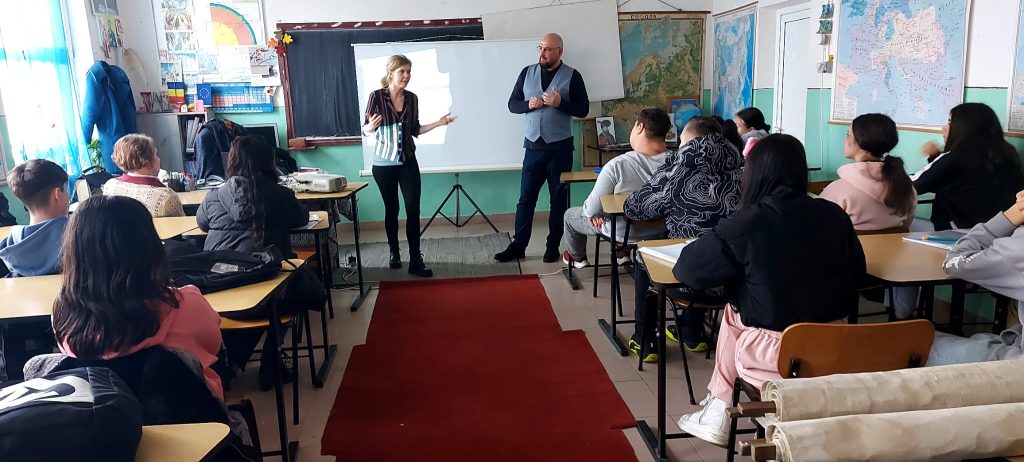
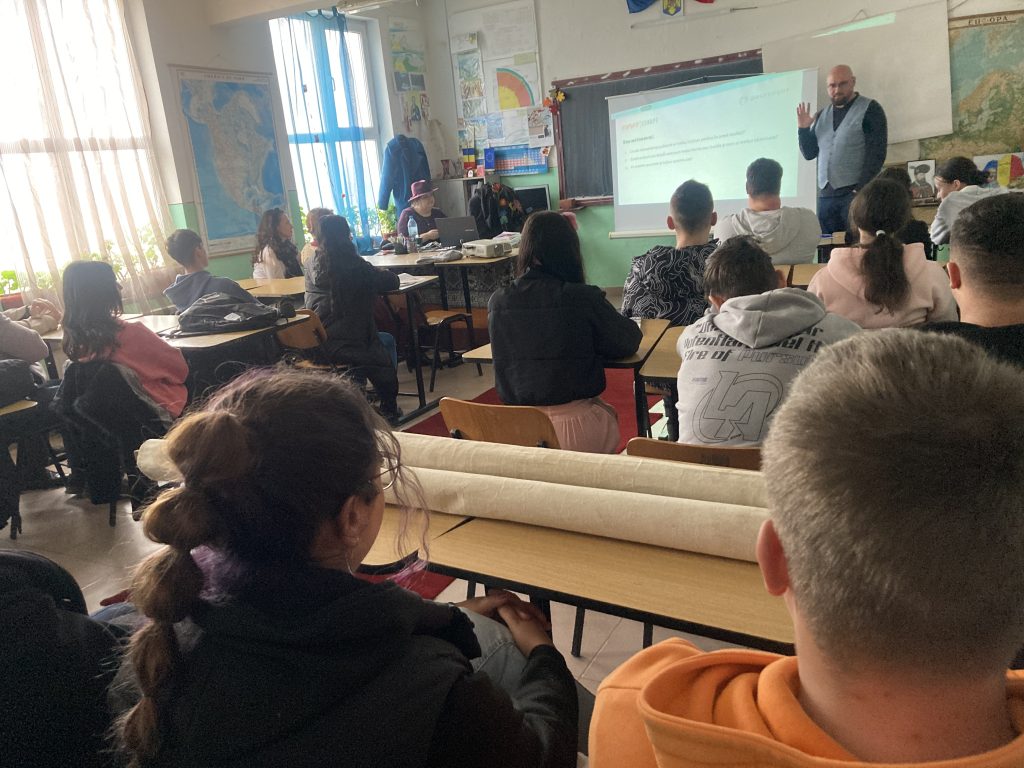
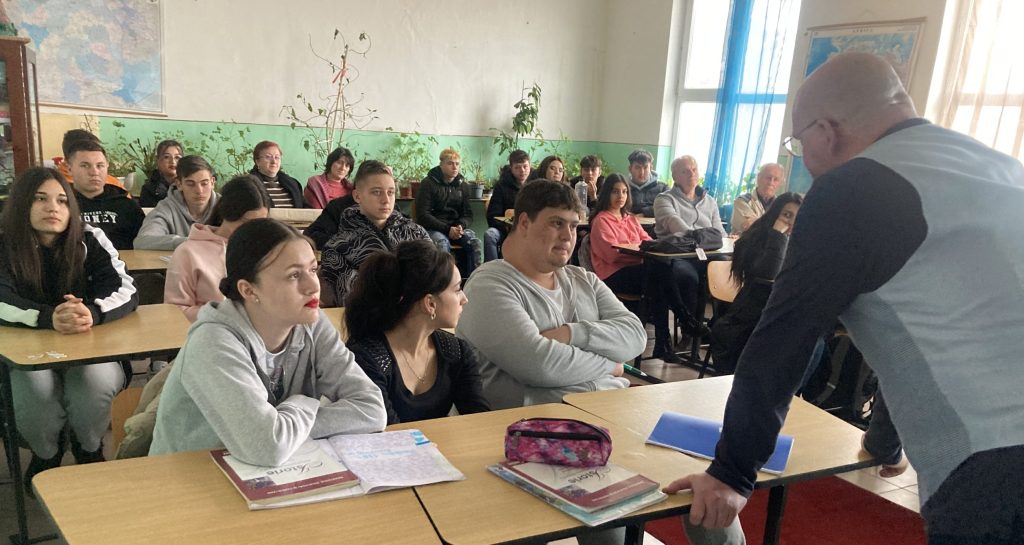
In Romania, the workshops travelled beyond major cities to include educators from urban and rural communities, technical high schools, and the High School for Youth with Hearing Impairments. Teachers emphasised the need for practical, experiential learning methods that can easily be integrated into everyday classroom teaching.
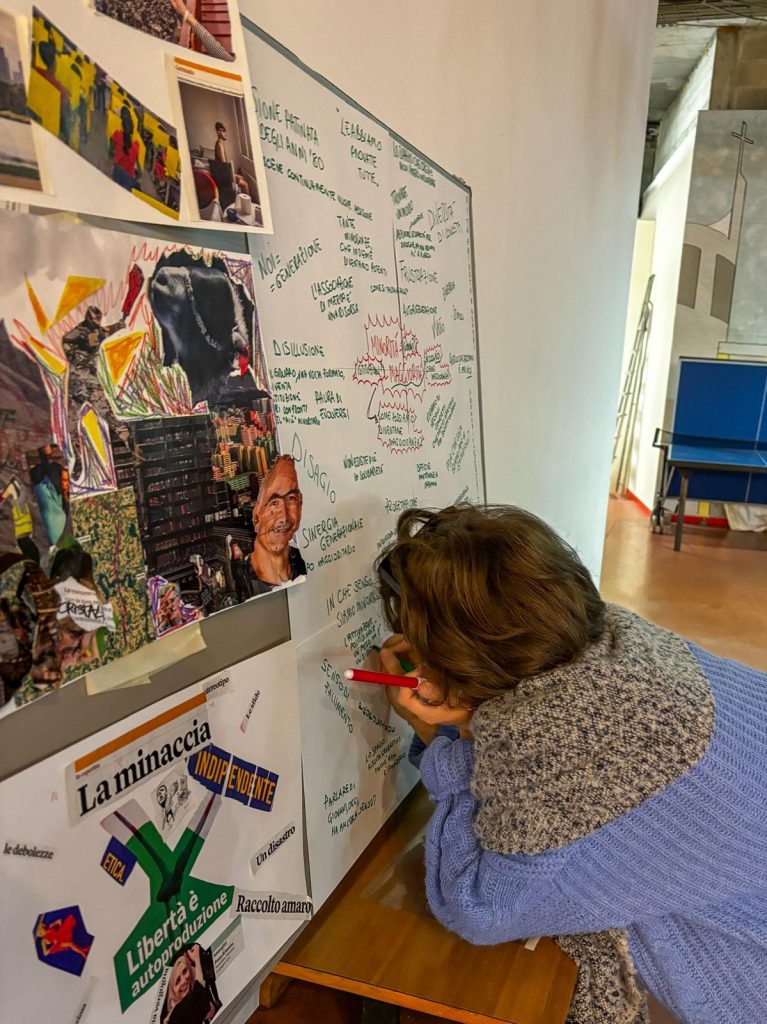
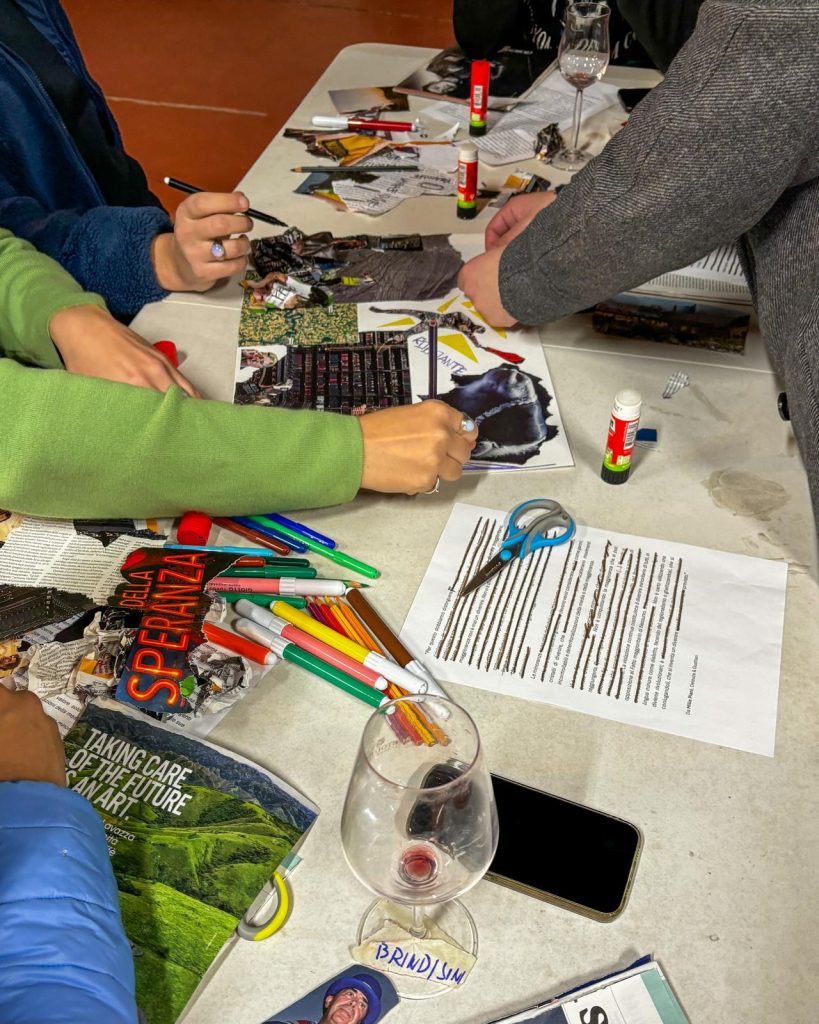
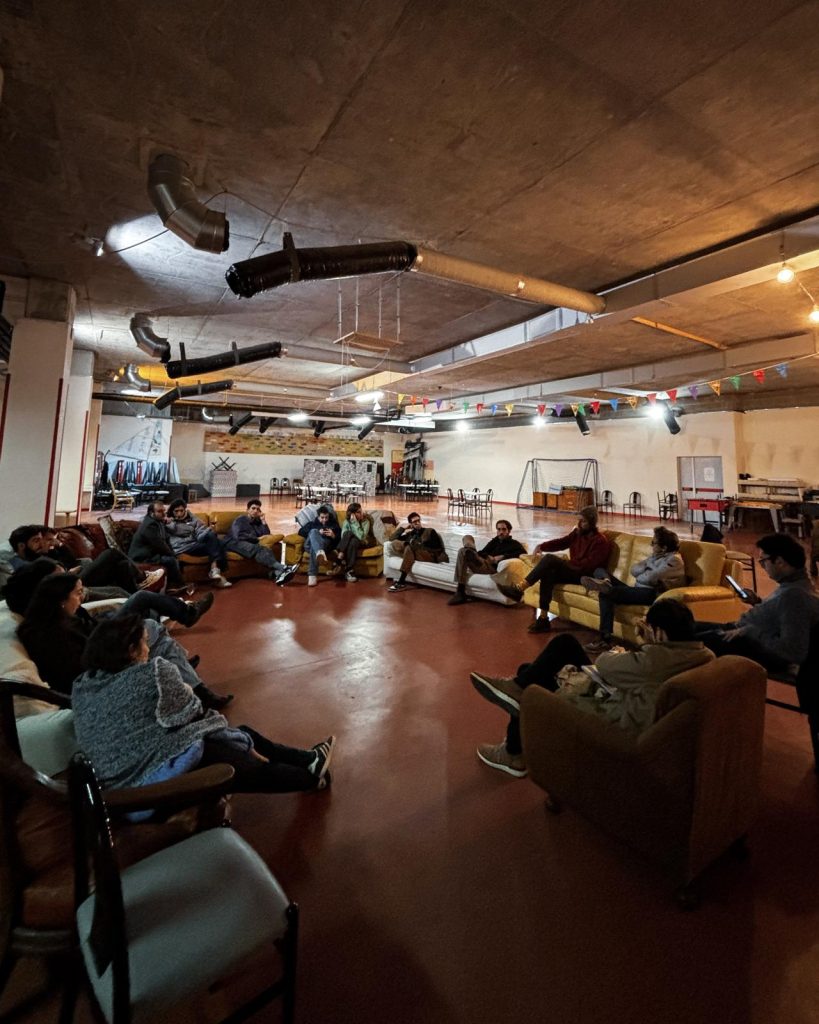
In Italy, Agorà Coop brought together teachers, street educators, social workers, and grassroots youth organisations. Through creative methods such as collaborative collage-making and facilitated discussions, participants reflected on how young people interact with institutions and how civic participation can be strengthened both inside and outside schools.
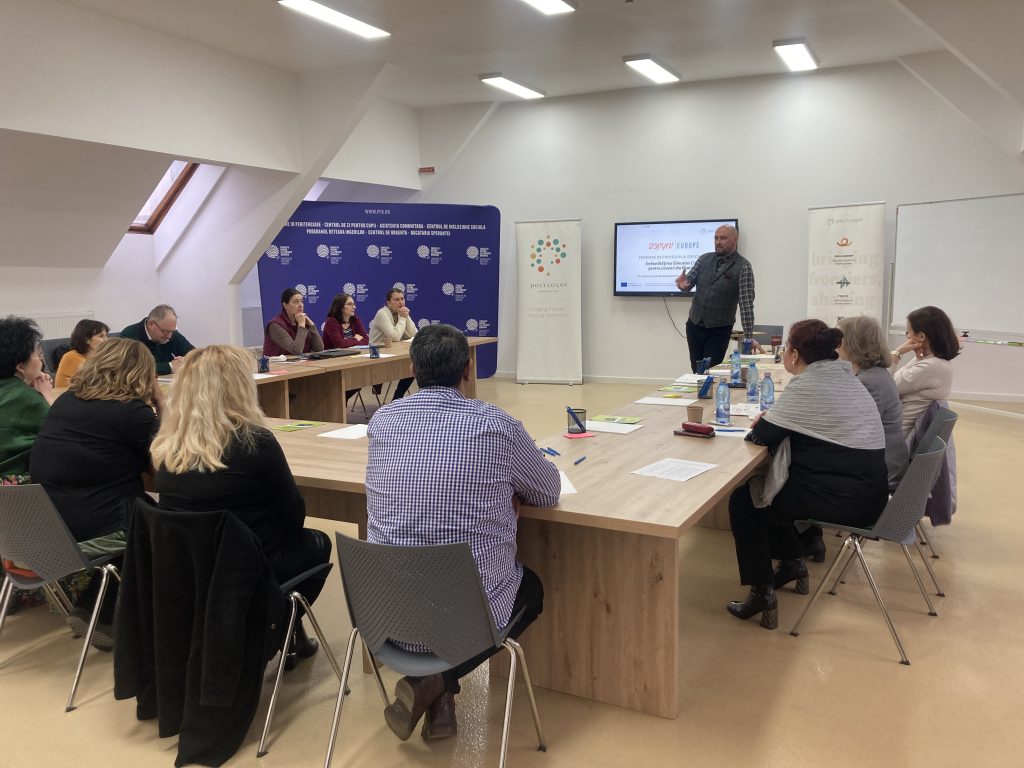
In Bosnia and Herzegovina, NIT and Youth for Peace organised a series of workshops that enabled educators and youth workers to contribute their expertise while carefully considering the country’s unique social and political context. Discussions explored not only the knowledge young people need for civic engagement, but also the confidence, motivation, and support required to help them believe that change is possible.
Learning from experience
Despite the different contexts, similar themes emerged across all three countries.
Educators consistently highlighted the importance of moving beyond traditional teaching methods and creating opportunities for young people to learn through dialogue, reflection, collaboration, and real-life experiences. Participants also discussed how civic participation is about much more than understanding political systems – it is about helping young people develop the confidence, communication skills, critical thinking, and sense of agency needed to shape their communities and participate meaningfully.
The workshops also reinforced the importance of strong partnerships between schools, youth organisations, community groups, and local institutions if meaningful youth participation is to become a reality.
A stronger project because of collaboration
The feedback gathered through these workshops directly shaped the final ASPYRE EUROPE Toolkit, ensuring that it reflects the needs of educators and young people across three countries.
Just as importantly, the workshops created a growing network of professionals committed to promoting democratic participation. Many participants expressed their intention to continue supporting the project by mentoring young people, using the toolkit in their daily work, and participating in future ASPYRE EUROPE activities, including the Active Youth Forums and Civic Cafés.
By placing collaboration and co-creation at the centre of the process, ASPYRE EUROPE is shaping a European community of educators and youth workers working together to empower the next generation of active, informed, and engaged citizens.
The Toolkit on Democracy and Youth Civic Participation is available for download in English, Romanian, Italian and Bosnian:
Event Reports